Showing posts with label nature. Show all posts

Sunday, February 3, 2013

Worlds Shiniest Living Thing


These Pollia condensata berries are so colorful that they might have been picked
minutes ago. In fact, they were gathered in 1974. Found deep in the Ghana forest,
this tropical metre-tall herb sprouts its shiny berry-like fruits in clusters up to
40-strong. These little orbs are iridescent – they use special layers of cells, arranged
just so, to reflect colours with extraordinary intensity. This trick relies on the micro-
scopic physical structures of the cells, rather than on any chemical pigments. Indeed,
the fruits have no blue pigment at all. Like beetles and butterflies the color does not
degrade over time. Researchers say that P. condensata's blue is the most intense color
in the natural world.

Source: www.wired.com/best-science-imges-2012

Friday, February 1, 2013

Methane Trapped in Ice


Bubbles of methane trapped in frozen Abrams lake, Canada.

Photographer Fikret Onal explains, "The plants on the lake bed release methane
gas and methane gets frozen once coming close enough to much colder lake surface
and they keep stacking up below once the weather gets colder and colder during
the winter season."

Monday, January 28, 2013

Wednesday, December 26, 2012

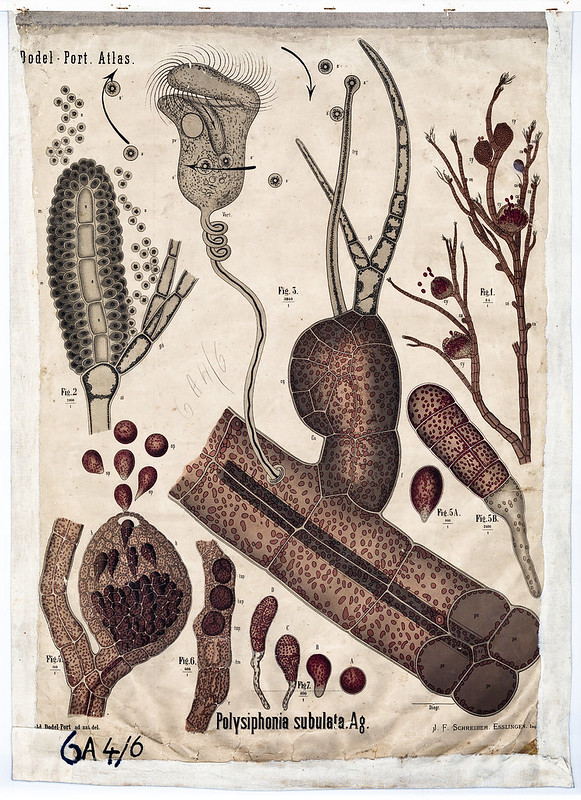
Plant Systematics Wall Chart Circa 1878


Polysiphonia Subulata (red algae genus)

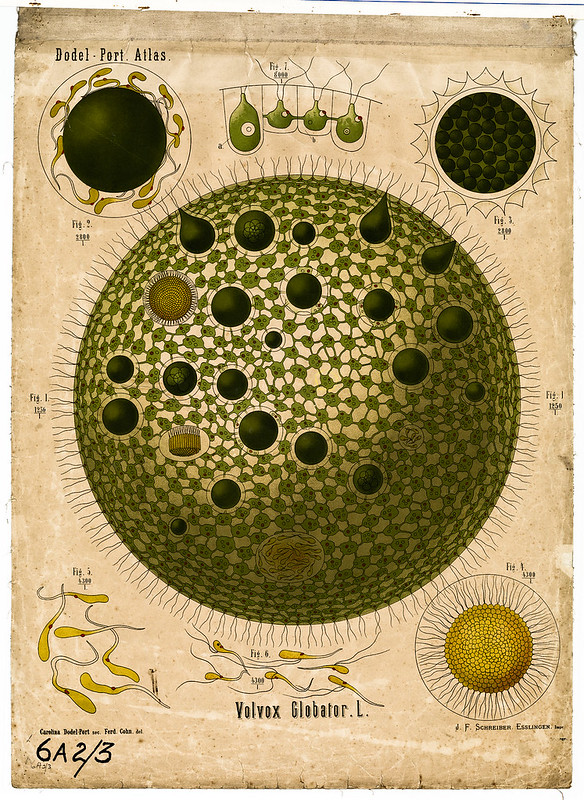
This shows the freshwater green alga Volvox globator. Many individual cells
 live together forming a beautiful spherical colony. Some of them are specialized
for reproduction.

"Living nature is the best teacher and pedagogue; an artistic medium of
representation tries to replace nature and this can be possible in practice only
 if the images are true to natural objects."

Source: http://bibliodyssey.blogspot.com/

Tuesday, October 16, 2012

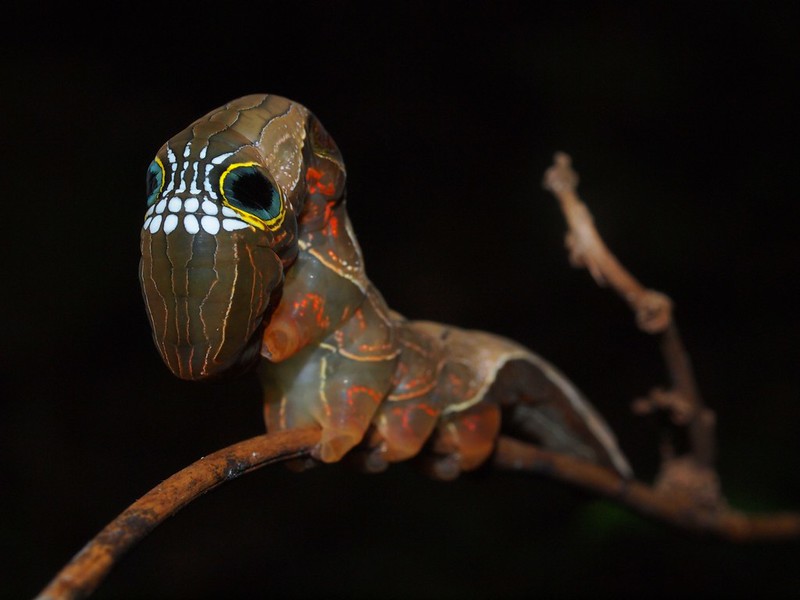
Phyllodes Imperialis


The caterpillar of the Imperial Fruit Sucking Moth (Phyllodes imperialis). The moth is of the Noctuidae family. The species can be found in north-eastern Queensland to northern New South Wales, Papua New Guinea, Solomons, Vanuatu and New Caledonia.

 It's menacing head and intricate markings are meant to thwart would be predators. In it's adult incarnation, the moth has vibrant pink under-wings, but most significantly, an impressive cryptic design capacity to transform itself into a thoroughly convincing dead leaf.

Monday, September 24, 2012

Bleeding Tooth Fungus


The Bleeding Tooth fungus, or Hydnellum pecki, is found in pine forests of the
American Pacific northwest and central Europe. It's also known by the names
'Devil's Tooth' or 'Strawberries and Creme'. Ironically, their oozing 'blood' actually
contains an anticoagulant called atromentrin.

Monday, September 10, 2012

Friday, August 31, 2012

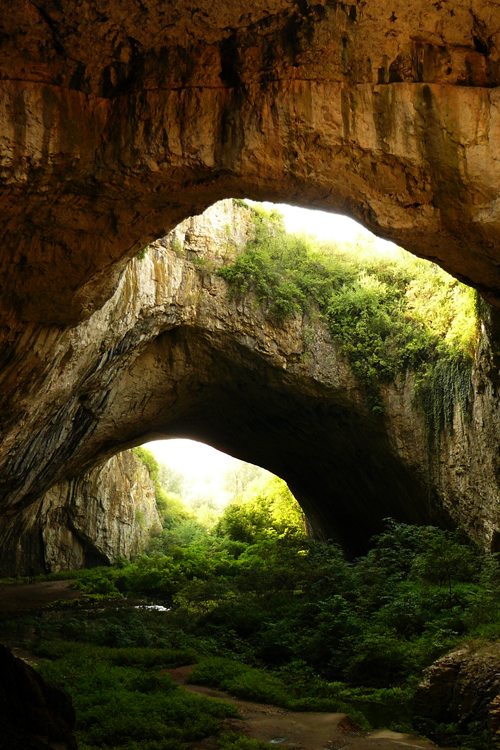
Melissani Cave, Greece


 Melissani cave can be found on the east coast of the island of Kefalonia in
Greece. It is located about 2 km from the town of Sami and 10 km from the
town of Argostoli. The caves are surrounded by forests, while a mountain
slope is located to the west.

Thursday, August 30, 2012

Super Moon May 5, 2012


A supermoon is the coincidence of a full moon or a new moon with the closest approach the Moon makes to the Earth, resulting in the largest apparent size of the moon's disk as seen from Earth. This results in a moon that is 14% larger (closer) and 30% brighter than other full moons of 2012.

 The scientific term for the phenomenon is "perigee moon." Full Moons vary in size because of the oval shape of the Moon's orbit. The Moon follows an elliptical path around Earth with one side ("perigee") about 50,000 km closer than the other ("apogee"). Full Moons that occur on the perigee side of the Moon's orbit seem extra big and bright.

Monday, August 27, 2012

Beachy Head Chalk Cliff


"Beachy Head is a chalk headland on the south coast of England, close to the town of Eastbourne in the county of East Sussex, immediately east of the Seven Sisters. The cliff there is the highest chalk sea cliff in Britain, rising to 162 m (530 ft) above sea level. The peak allows views of the south east coast from Dungeness to the east, to Selsey Bill in the west. Its height has also made it one of the most notorious suicide spots in the world."

Source: http://en.wikipedia.org/wiki/Beachy_Head

Thursday, August 9, 2012

Son Doong Cave, Vietnam


"Sơn Đoòng (meaning "Mountain River cave" in Vietnamese) is located near the
Laos-Vietnam border. It has a large fast-flowing underground river inside. Sơn Đoòng
overtakes Deer Cave in Malaysia to take the title of the world's largest cave."

 From: http://en.wikipedia.org/wiki/Son_Doong_Cave

Monday, July 30, 2012


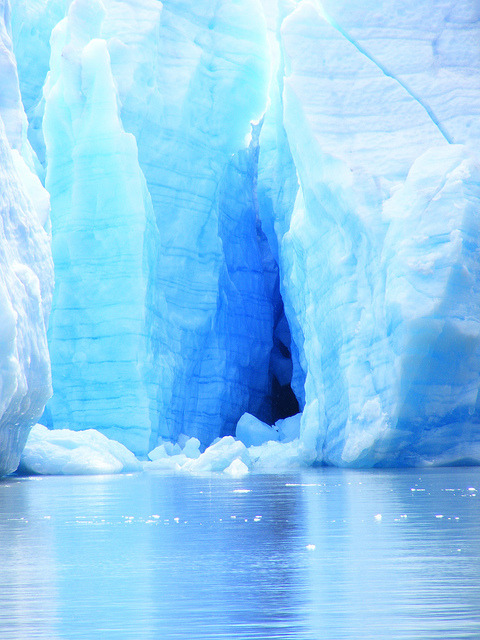
 "An iceberg twice the size of Manhattan tore off one of Greenland's largest glaciers, illustrating another dramatic change to the warming island.

For several years, scientists had been watching a long crack near the tip of the northerly Petermann Glacier. On Monday, NASA satellites showed it had broken completely, freeing an iceberg measuring 46 square miles.

A massive ice sheet covers about four-fifths of Greenland. Petermann Glacier is mostly on land, but a segment sticks out over water like a frozen tongue, and that's where the break occurred.

Many of Greenland's southern glaciers have been melting at an unusually rapid pace. The Petermann break brings large ice loss much farther north than in the past, said Ted Scambos, lead scientist at the National Snow and Ice Data Center in Boulder, Colorado."

 Read more: http://www.foxnews.com/scitech/2012/07/18/glacier-twice-as-big-as-manhattan-snaps-off-greenland-ice-sheet/#ixzz227alOwY4

Sunday, July 29, 2012

Thursday, July 5, 2012

Lac Rose in Senegal

This is a series of photographs of Lake Retba in Senegal. It's pink. The lake has an unusually high salt concentration (like the Dead Sea), in which Dunaliella salina micro-algae thrive, giving it its pink hue.

Friday, June 29, 2012

Monday, June 25, 2012

"Higher funghi"


The Basidiomycota are one of two phyla of “higher fungi” - the other being the Ascomycota.
The primary differentiation between the two phyla is their method of reproduction.

What we call “mushrooms” are found in both phyla, with the Basidiomycota generally being more woody or leathery in texture, and the Ascomycota being more soft and fleshy. For example, species such as the chanterelles, shiitakes, giant puffballs, and sulfur shelf (chicken mushroom/Chicken of the Woods) are all Basidiomycotes. Morels and truffles are some Ascomycotes, along with many other interesting fungi, like Baker’s Yeast, the fungus that gave us penicillin, and the fungus that gives us blue cheeses.
Kunstformen der Natur [Plate 63]. Ernst Haeckel, 1904.

Monday, May 21, 2012

Friday, May 11, 2012

Blood red falls of primordial "ooze"


The five-story, red waterfall known as the Blood Falls got its name after explorer and geologist Griffith Taylor stumbled across it in 1911 and thought it resembled blood pouring from a wound. Roughly 2 million years ago, the Taylor Glacier sealed beneath it a small body of water which contained an ancient community of microbes. Trapped below a thick layer of ice, they have remained there ever since, isolated inside a natural time capsule. Evolving independently of the rest of the living world, these microbes exist without heat, light, or oxygen, and are essentially the definition of "primordial ooze." The trapped lake has very high salinity and is rich in iron, which gives the waterfall its red color. A fissure in the glacier allows the subglacial lake to flow out, forming the falls without contaminating the ecosystem within.

Thursday, May 3, 2012