Showing posts with label macro. Show all posts

Monday, April 29, 2013

Miniature Paintings By Hasan Kale


Turkish painter Hasan Kale paints on every small object he finds. A needle,
a seed, a butterfly wing or a lump sugar turns into a canvas in his hands. He
paints Istanbul panoramas, the city which inspires him, on these small objects.
His art is inspired by Mohammed of the Black Pen’s brush technique and
Levni’s color harmony.

Monday, February 11, 2013

Sunday, February 3, 2013

Worlds Shiniest Living Thing


These Pollia condensata berries are so colorful that they might have been picked
minutes ago. In fact, they were gathered in 1974. Found deep in the Ghana forest,
this tropical metre-tall herb sprouts its shiny berry-like fruits in clusters up to
40-strong. These little orbs are iridescent – they use special layers of cells, arranged
just so, to reflect colours with extraordinary intensity. This trick relies on the micro-
scopic physical structures of the cells, rather than on any chemical pigments. Indeed,
the fruits have no blue pigment at all. Like beetles and butterflies the color does not
degrade over time. Researchers say that P. condensata's blue is the most intense color
in the natural world.

Source: www.wired.com/best-science-imges-2012

Monday, January 7, 2013

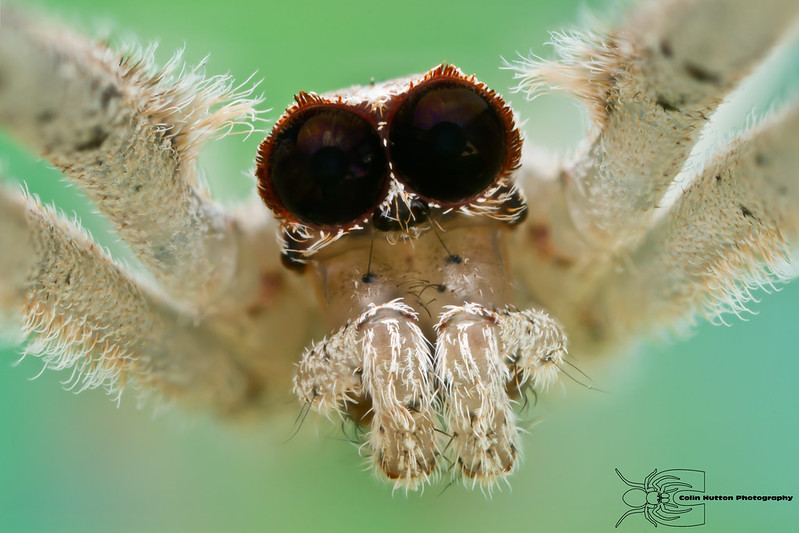
Ogre-Faced Spider


The spider family Deinopidae consists of stick-like elongate spiders that build
unusual webs that they suspend between the front legs. When prey approaches,
the spider will stretch the net to two or three times its relaxed size and propel
itself onto the prey, entangling it in the web. Because of this, they are also called
net-casting spiders.

Friday, December 28, 2012


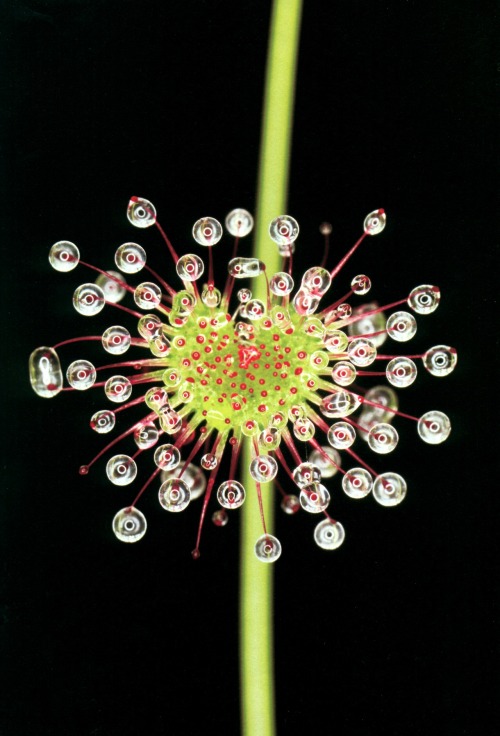
The Australian sundew plant uses its sticky “dewdrops” to attract and trap the
insects that are its food.

Photo by Helene Schmitz, March 2010 National Geographic

Wednesday, December 26, 2012

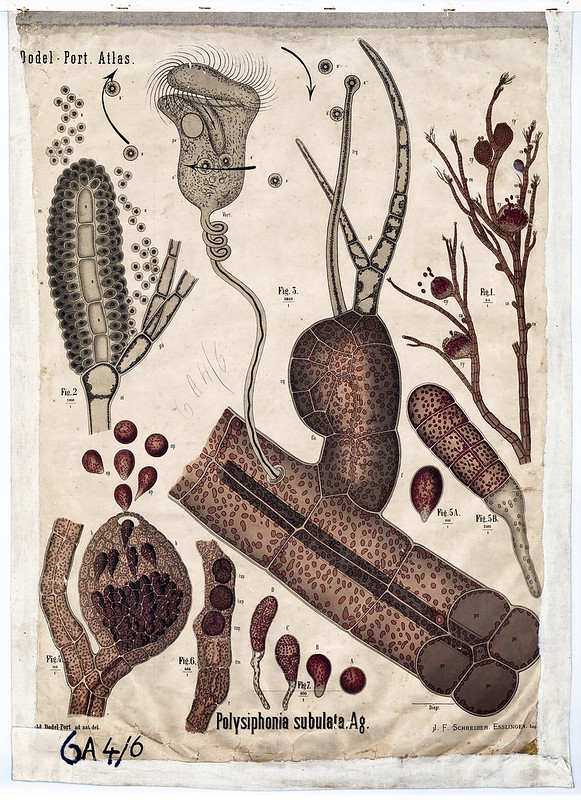
Plant Systematics Wall Chart Circa 1878


Polysiphonia Subulata (red algae genus)

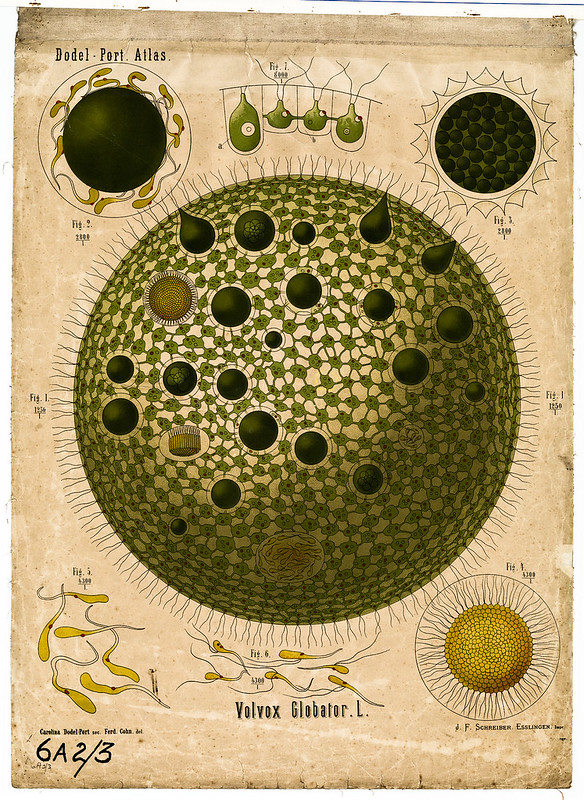
This shows the freshwater green alga Volvox globator. Many individual cells
 live together forming a beautiful spherical colony. Some of them are specialized
for reproduction.

"Living nature is the best teacher and pedagogue; an artistic medium of
representation tries to replace nature and this can be possible in practice only
 if the images are true to natural objects."

Source: http://bibliodyssey.blogspot.com/

Friday, November 30, 2012

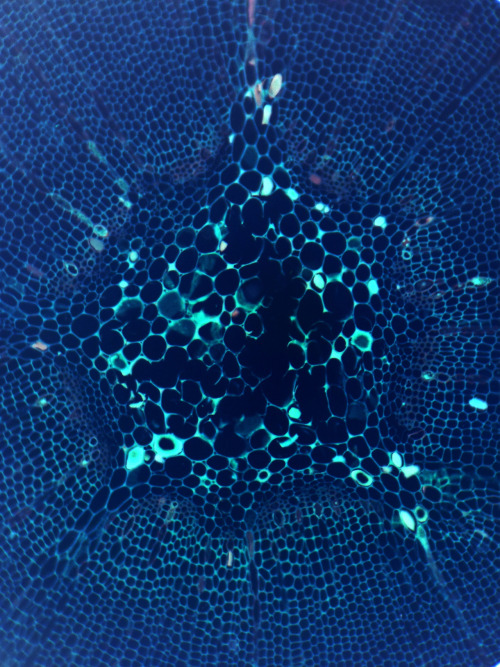
The Stem of a Pine Tree

Natural Selection Wins Again


A newly discovered Aphodiine Scarab from Cambodia is a stunning example
of how natural selection helps this termitophilic beetle adapt and find an easier
path to a meal.

The beetle not only tricks a colony of termites into granting it access to their
 stock pile of food by reproducing the scent of that food themselves, it also
 entices the termite to actually carry it directly to the food using the perfectly
sculpted handle on it's back.

Thursday, November 29, 2012

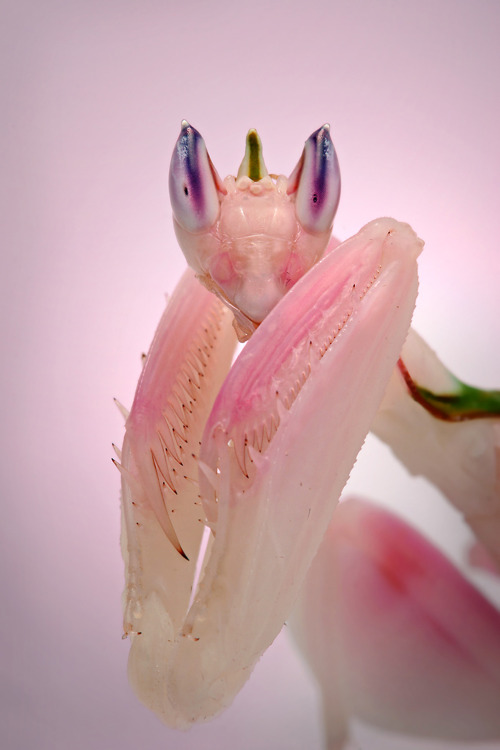
Hymenopus coronatus (Orchid Mantis)


The Orchid Mantis is a mantis from Malaysia, Indonesian, and Sumatran rain forests.

This species is characterized by brilliant and beautiful coloring and unusual structure; their four walking legs resemble flower petals, and the coloration of the bodies tends to match the environment in which they were raised.

Source: Wikipedia

Thursday, November 22, 2012

Tuesday, November 13, 2012

Friday, October 26, 2012

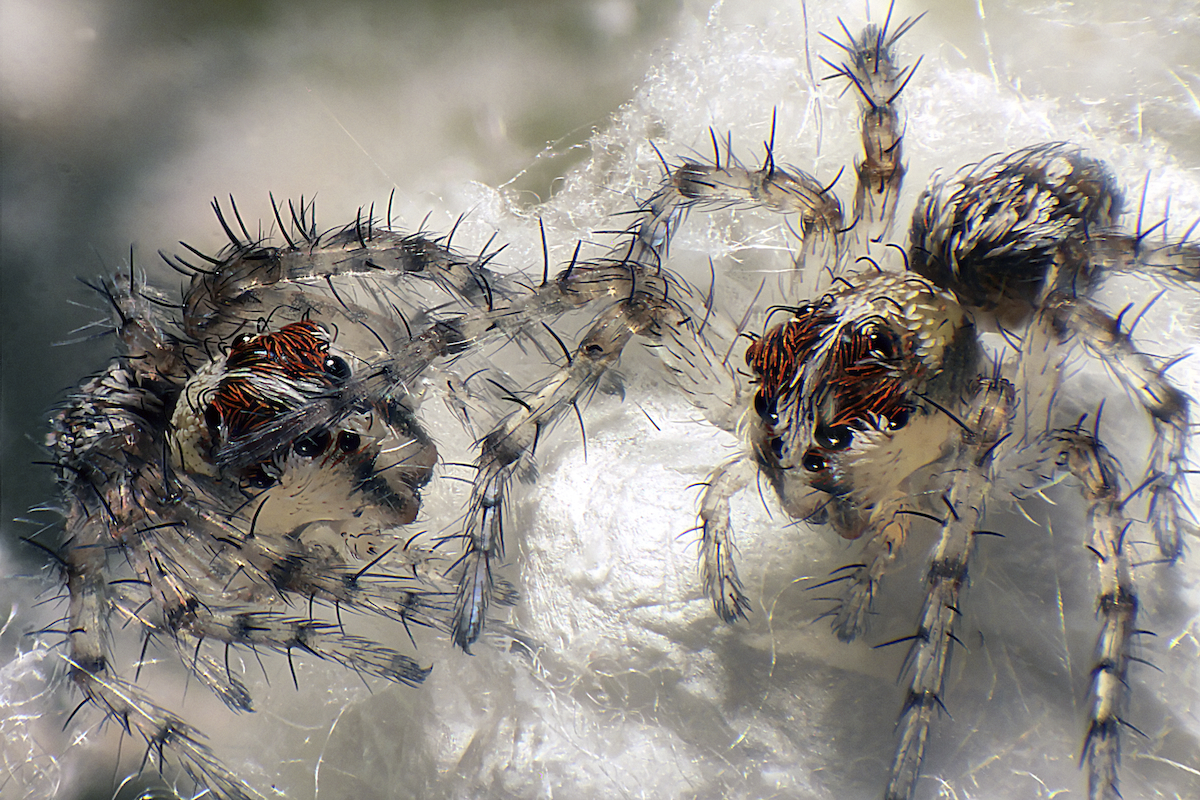
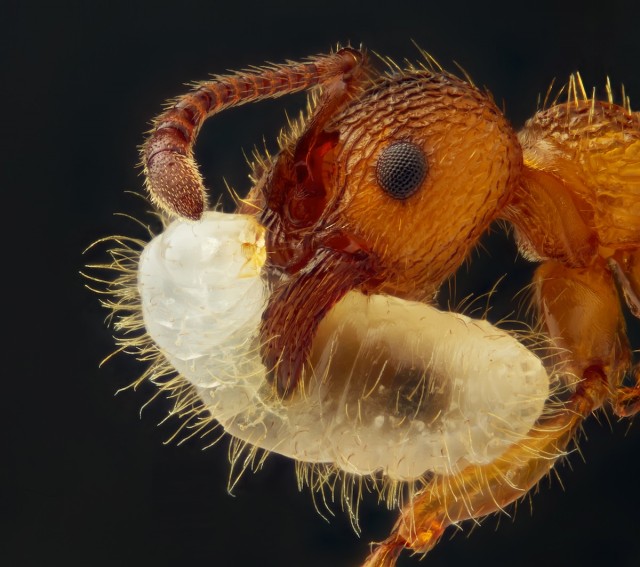
Finalists of Nikon's best microscope images of 2012


These recently hatched lynx spiders were imaged by Walter Piorkowski of South Beloit, Illinois.

Geir Drange from Norway captured this ant carrying its larva.

 More images found at: www.nikonsmallworld.com

Monday, September 17, 2012

Monday, September 10, 2012